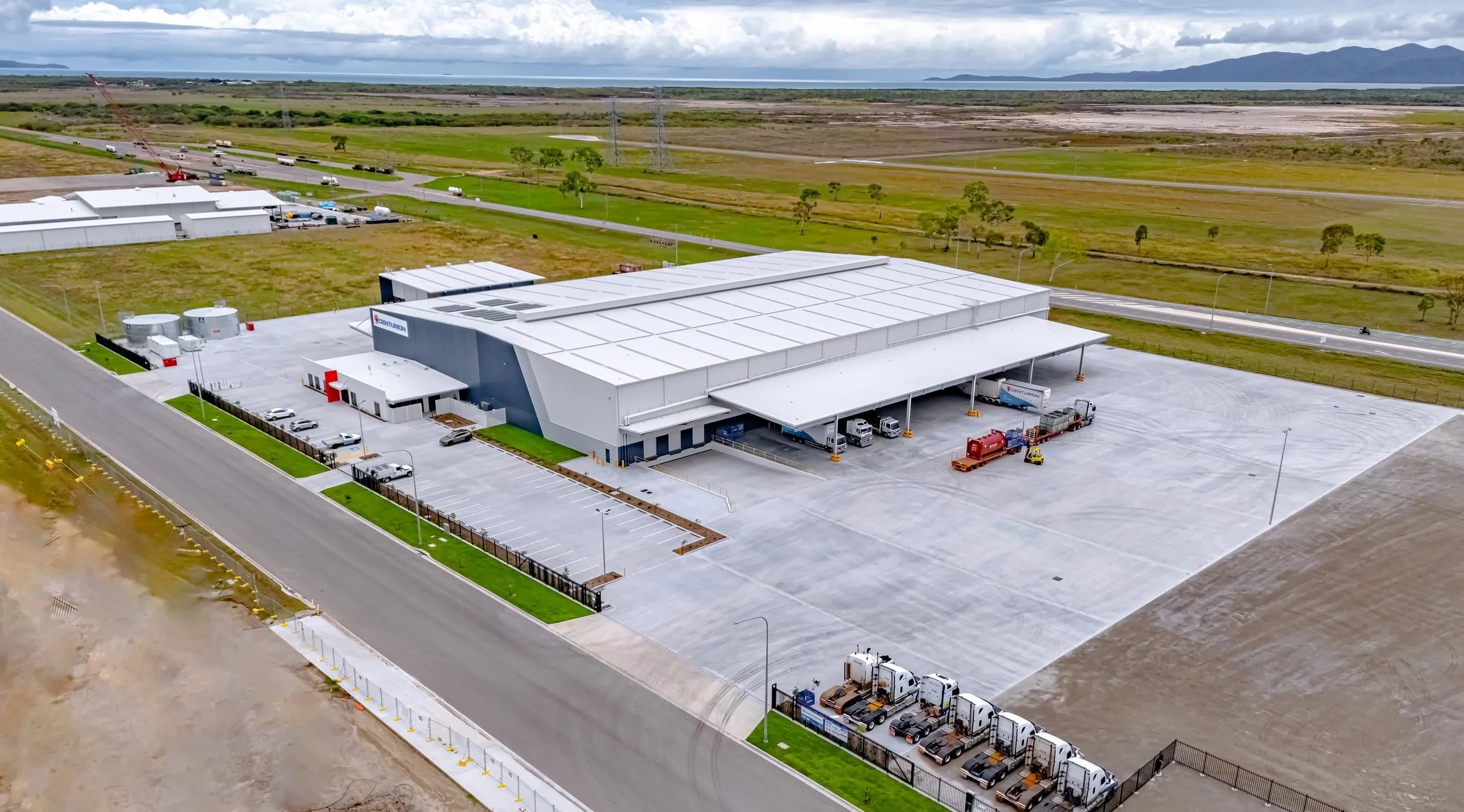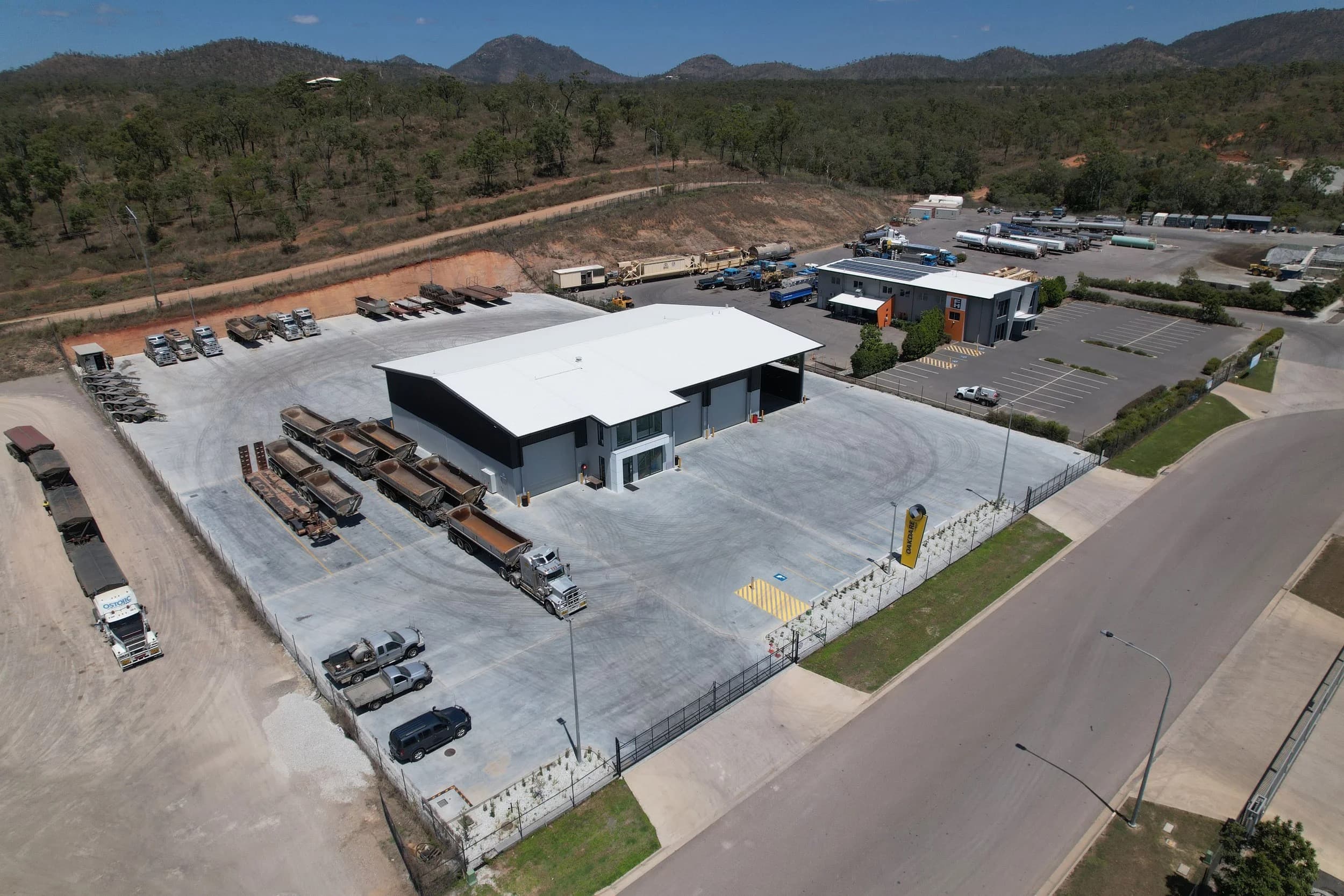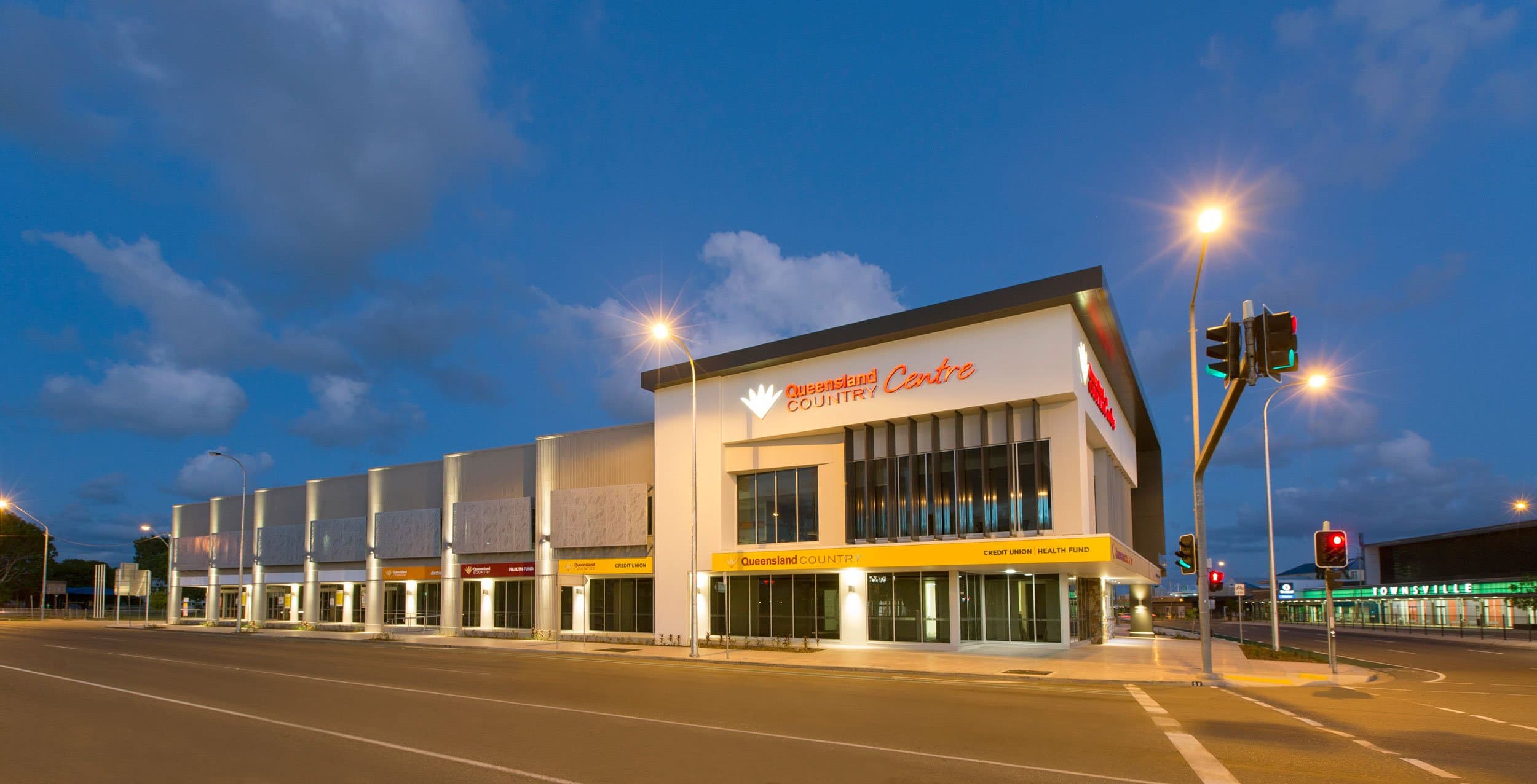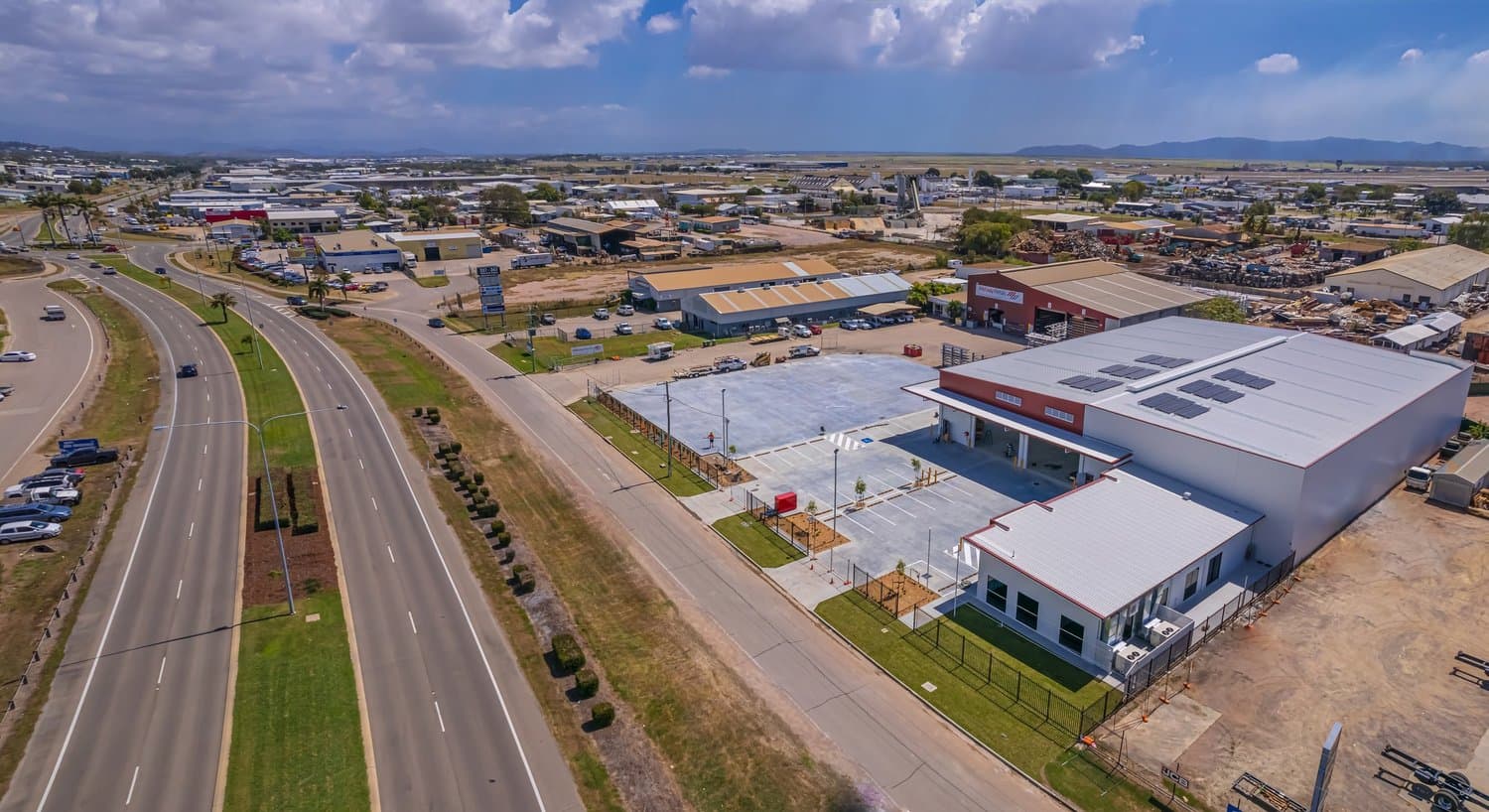
Townsville is in a cyclonic wind region. Here's what that means for warehouses, commercial and industrial buildings, and the details that matter most.
Every building in Townsville is designed for cyclones, whether it's a house, a shop or a large warehouse. For commercial and industrial buildings the stakes are higher: bigger roofs, bigger doors, and a business that needs to get back to work quickly after a storm.
This guide explains what the wind regions mean, and the parts of a commercial building that matter most in a cyclone.
What are wind regions?
Australia's wind loading standard, AS/NZS 1170.2, divides the country into wind regions. Engineers use the region, along with other site details, to work out the wind loads a building has to resist.
- Townsville is in Region C, which is a cyclonic region. Much of the North Queensland coast sits in Region C.
- South East Queensland's coast, including Brisbane, the Gold Coast and the Sunshine Coast, is in Region B, which was split into B1 and B2 in the 2021 edition of the standard.
The region is only the starting point. The final design wind speed for a building also depends on the terrain around it, how sheltered it is by nearby buildings, the shape of the land, and the building's importance level under the National Construction Code. A structural engineer works this out for each site.
Townsville knows cyclones well. It's home to the Cyclone Testing Station at James Cook University, which researches how buildings perform in severe wind.
Where commercial buildings are most vulnerable
Roller doors and large openings
Big roller doors are one of the most important parts of a warehouse in a cyclone. If a large door fails, wind rushes inside and pushes up on the roof from within, adding to the suction on the outside. That combination is a common way roofs are lost. Doors need to be certified for the wind pressure the building is designed for, and installed and fixed exactly as certified.
In cyclonic regions, designers also have to consider flying debris. Unless the building envelope is shown to resist debris, the structure is generally designed on the assumption that an opening could be punched through during a storm.
Roof sheeting and fixings
Roof sheeting is fixed at closer spacings in cyclonic regions, particularly around edges and corners, where wind suction is strongest. The screws, battens and the way the purlins connect to the frame all matter.
Tie-downs from roof to ground
The whole building has to be held down as one piece. That means a continuous load path from the roof sheeting, through the purlins and rafters, into the walls or columns, and down into the footings. A weak connection anywhere in that chain is where failure starts.
Glazing, awnings and signage
Windows and shopfronts need to suit the design wind pressure. Awnings, canopies and signs catch the wind and need their own engineering and fixings.
Does it cost more to build in a cyclonic region?
Yes, some. Heavier structural members, more fixings, rated doors and additional bracing all add cost compared with the same building in a non-cyclonic region. But the cost of getting it wrong, in damage, downtime and insurance, is far higher. The goal is a building that is designed properly for its site, without over-engineering the parts that don't need it.
Building for cyclones in practice
We've been building in Townsville since 1988, so designing and building for cyclones is simply part of how we work. On a design and construct project, we work with the structural engineer from the start, so the wind design, door selection and connection details are sorted before anything is ordered. On site, we build the connections exactly as they're engineered, because that's where cyclone performance is won or lost.
We also build across South East Queensland, where different wind regions apply, so the design is always matched to where the building actually is.
If you're planning a warehouse or industrial building in Townsville or North Queensland, get in touch.