The two main ways to deliver a commercial or industrial building, how they differ on cost, time and risk, and how to choose between them.
Before you pick a builder for a commercial or industrial project, you'll need to decide how the project will be delivered. In Queensland, most projects fall into one of two models: design and construct, or construct only (sometimes called the traditional approach). The choice affects your cost certainty, your timeline and who carries the risk when something in the design doesn't work on site.
How construct only works
Under a construct only arrangement, you engage the design team yourself. An architect or building designer prepares the drawings, engineers prepare their designs, and the full set of documents goes out to tender. Builders price the drawings, and the successful builder builds what has been drawn.
The advantages:
- You have direct control over every design decision.
- Builders price the same complete set of documents, so tenders are easier to compare.
The trade-offs:
- It usually takes longer, because design must be finished before building starts.
- You carry the design risk. If drawings conflict, or something can't be built the way it's drawn, the fix usually becomes a variation, and variations cost money and time.
- Builders only see the project once the design is done, so cost and buildability advice comes late.
How design and construct works
Under design and construct, one company is responsible for both the design and the build. You provide a brief, which explains what the building needs to do, how big it is, how it will be used and what budget you have, and the design and construct builder manages the design, engineering, approvals and construction through a single contract.
The advantages:
- One point of responsibility. If there's a problem with the design, it's the builder's problem to solve, not yours.
- Early cost input. The people pricing the job are involved from the first sketch, so the design is shaped around the budget, not the other way round.
- Faster delivery. Design, approvals and early site works can overlap.
- Fewer variations. Because the builder controls the design, there are fewer variations caused by design conflicts during construction.
The trade-offs:
- You need a clear brief. The more clearly you describe what you need, the better the result.
- You have less day-to-day control over design detail than when you employ the designer directly, so it pays to agree on key requirements up front.
What about novated design and construct?
There's a middle ground. Under a novated arrangement, you engage a designer to develop the concept, then the designer's contract is transferred (novated) to the builder, who completes the design and builds it. It suits projects where the look of the building matters a great deal, but you still want one party responsible for delivery.
Which contract forms are used?
Standards Australia publishes general conditions of contract for both models: AS 4000 is widely used for construct only work, and AS 4902 for design and construct. Whatever form you use, read the scope, the allowances and the program carefully, and ask your builder to explain anything that's unclear.
Which should you choose?
Design and construct usually suits projects where function drives the design, such as warehouses, workshops, industrial facilities, and offices where the budget and timeline matter most. Construct only suits projects where you already have full drawings, or where the architecture is the priority and you want to control every detail.
How we work
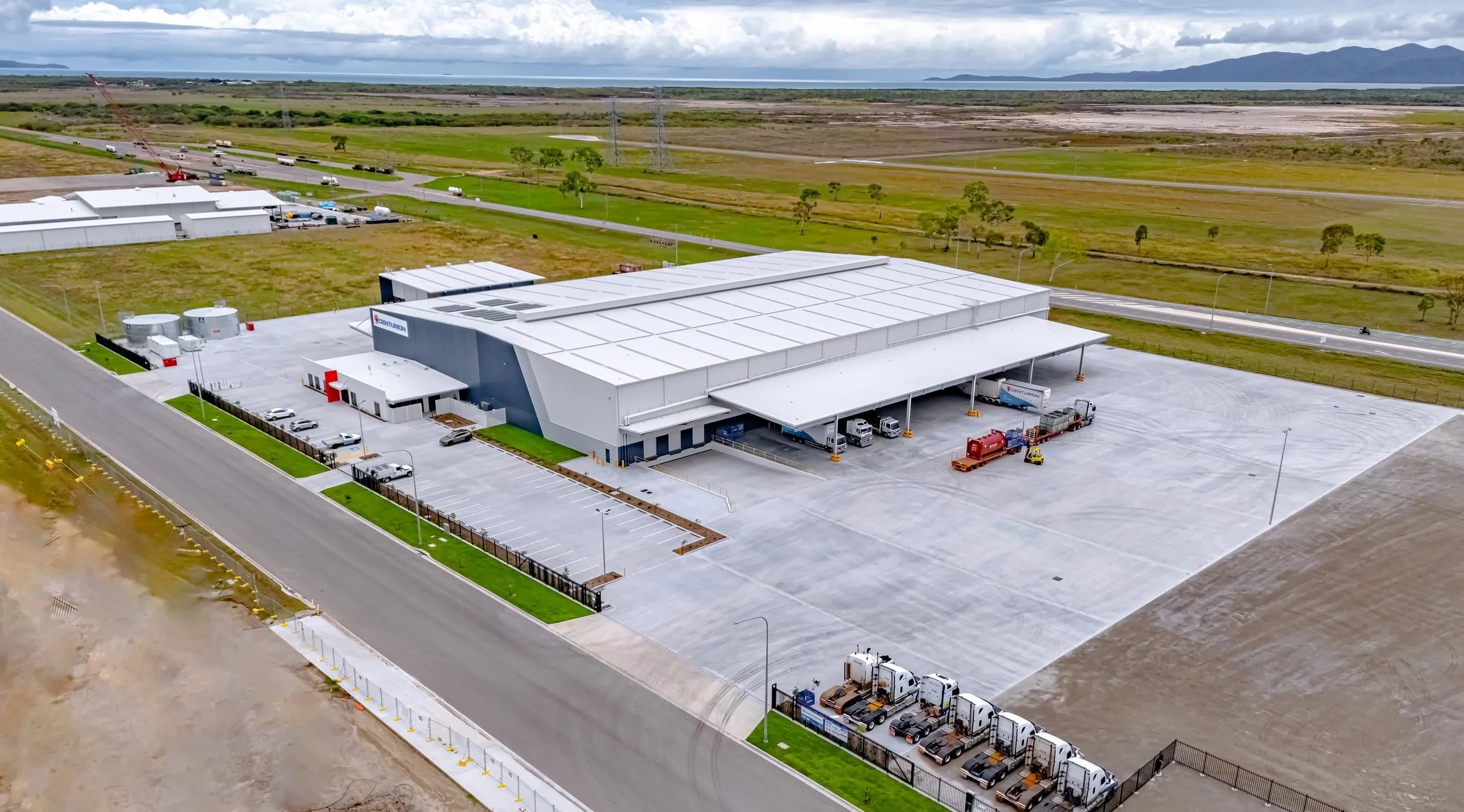
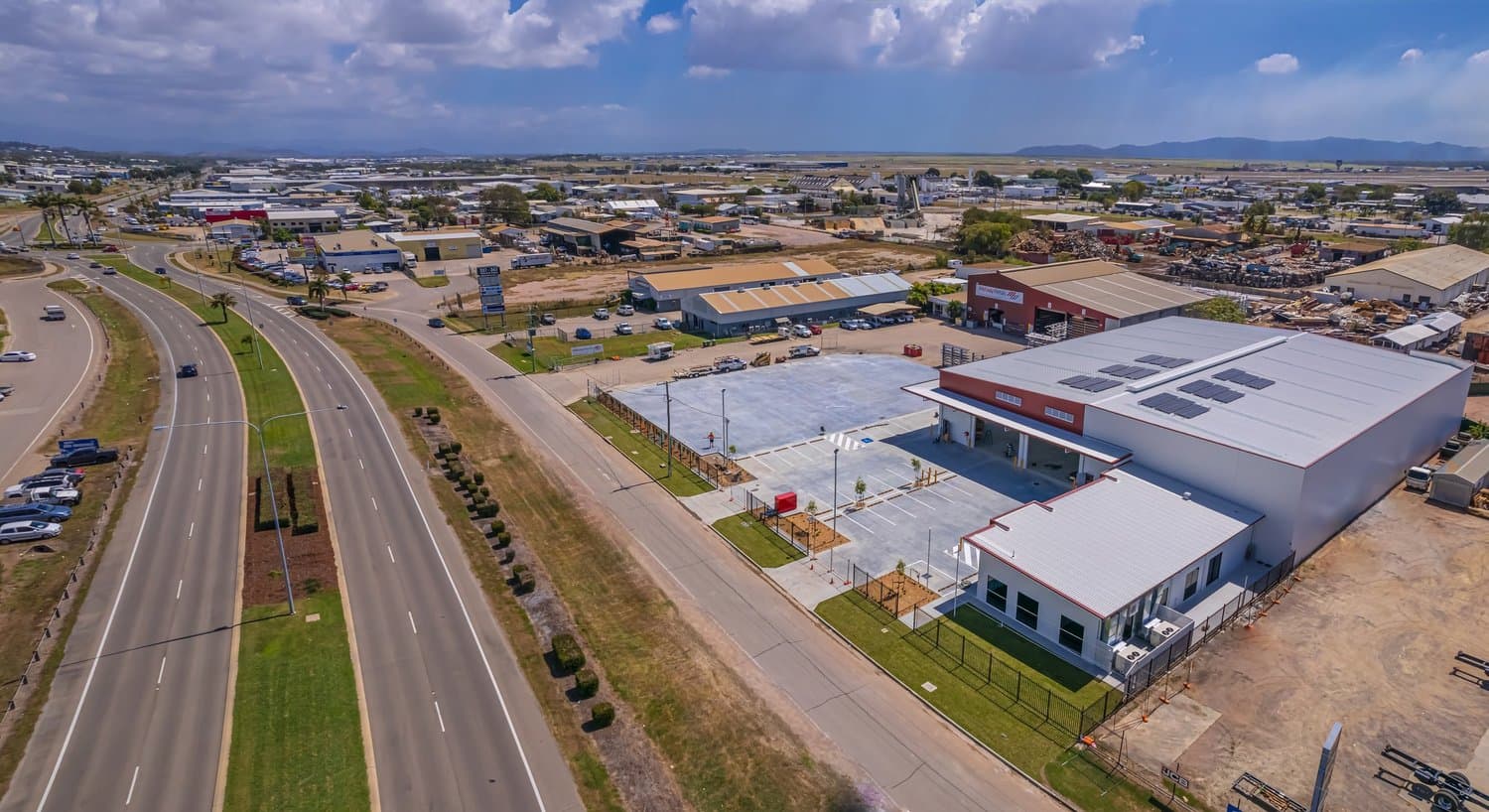
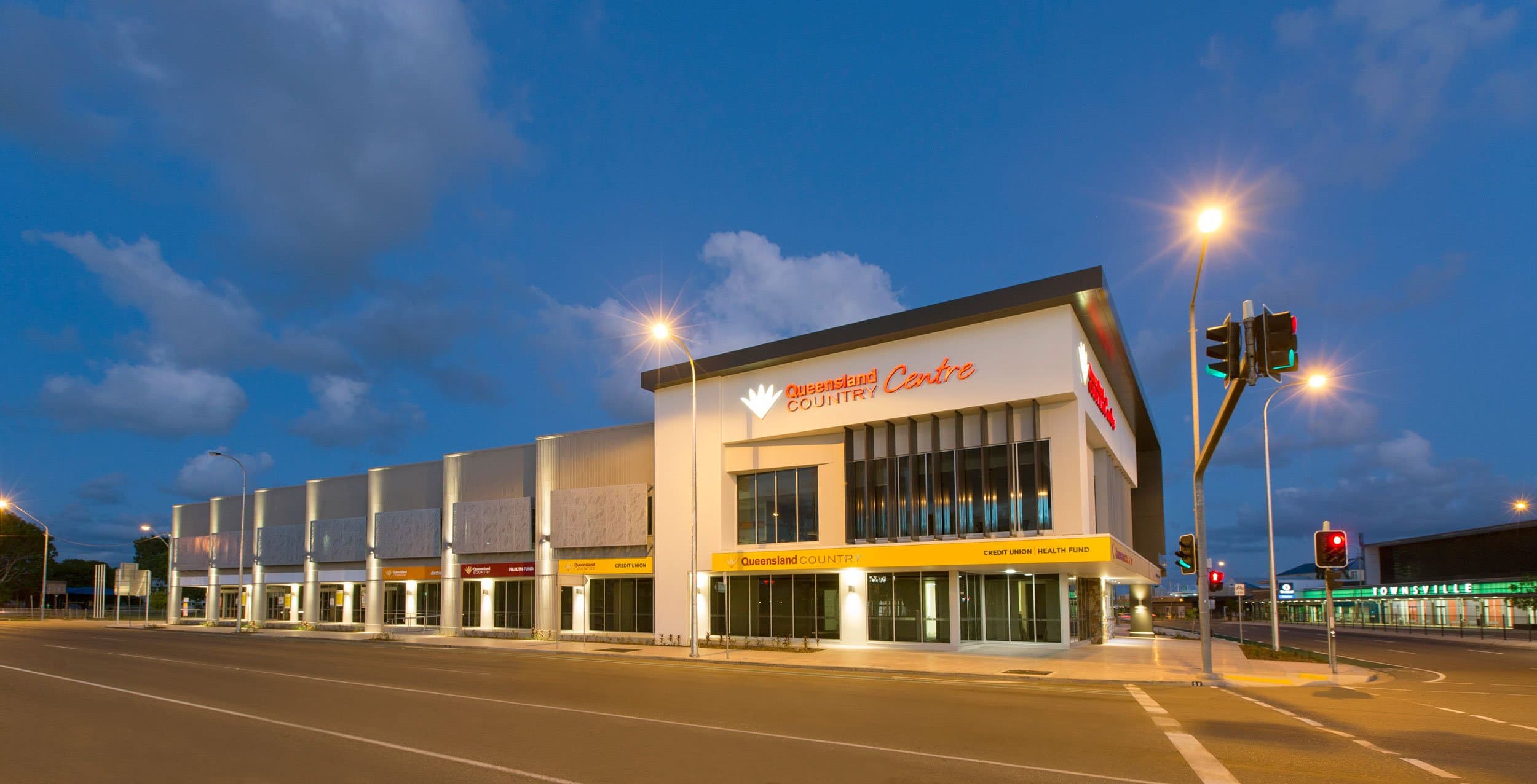
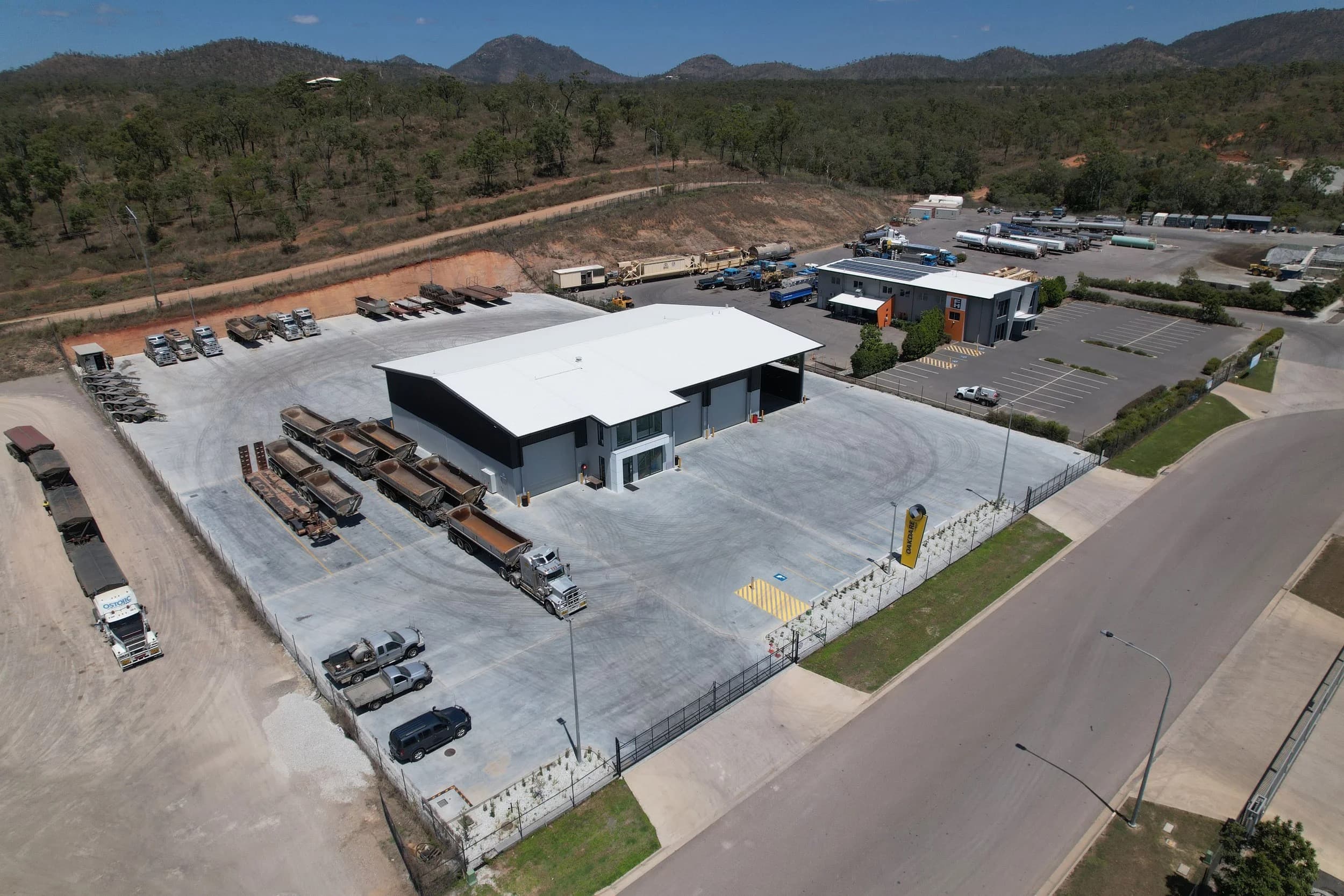
We offer both. Many of our clients come to us with an idea, a site and a budget, and we design and construct the whole project, using our in-house drafting to turn a sketch into full drawings. Others bring their own design and specifications, and we build them. Either way, we identify key issues early so the project stays on time and on budget.
Have a look at our projects, or talk to us about the best way to deliver yours.